
Around Penna in Teverina
Penna in Teverina's history: the river, the castle and the Orsini
Look at the valley before the dates. The river, routes and families of the surrounding land help explain why Penna developed here.
Start with the landscape
The name Penna refers to a height, while Teverina connects the village with the Tiber valley. It is a useful way into the visit. At Porta Novella, consider the view as a landscape crossed by people and goods as well as somewhere to take a photograph.
The municipal tourism history locates evidence of early settlement around Penna Vecchia, towards the meeting of the Rio Grande and Tiber. It distinguishes that presence in the valley from the medieval development of the village on the height.
That distinction helps explain why traces of the past extend beyond the walls. You do not need to seek out every archaeological site to understand the connection between the hill and the lower land.
The families and the residence
The castle’s story involves the Colonna and Orsini families. Its transfer to the Orsini in 1502 is a useful reference point; Maerbale Orsini subsequently made Penna his residence in the sixteenth century.
Palazzo Orsini is therefore a natural stop for connecting the names with something visible. The village history also recalls Fonte Orsina and a wider setting of gardens and sculpture. Start with the details you can observe from the village, rather than treating a historical description of remains as a ready-made walking route.
Three things to notice
The gate and walls. Look at the way the entrance narrows and houses fit into the old perimeter. You can understand the relationship between enclosure and settlement without reconstructing every building phase.
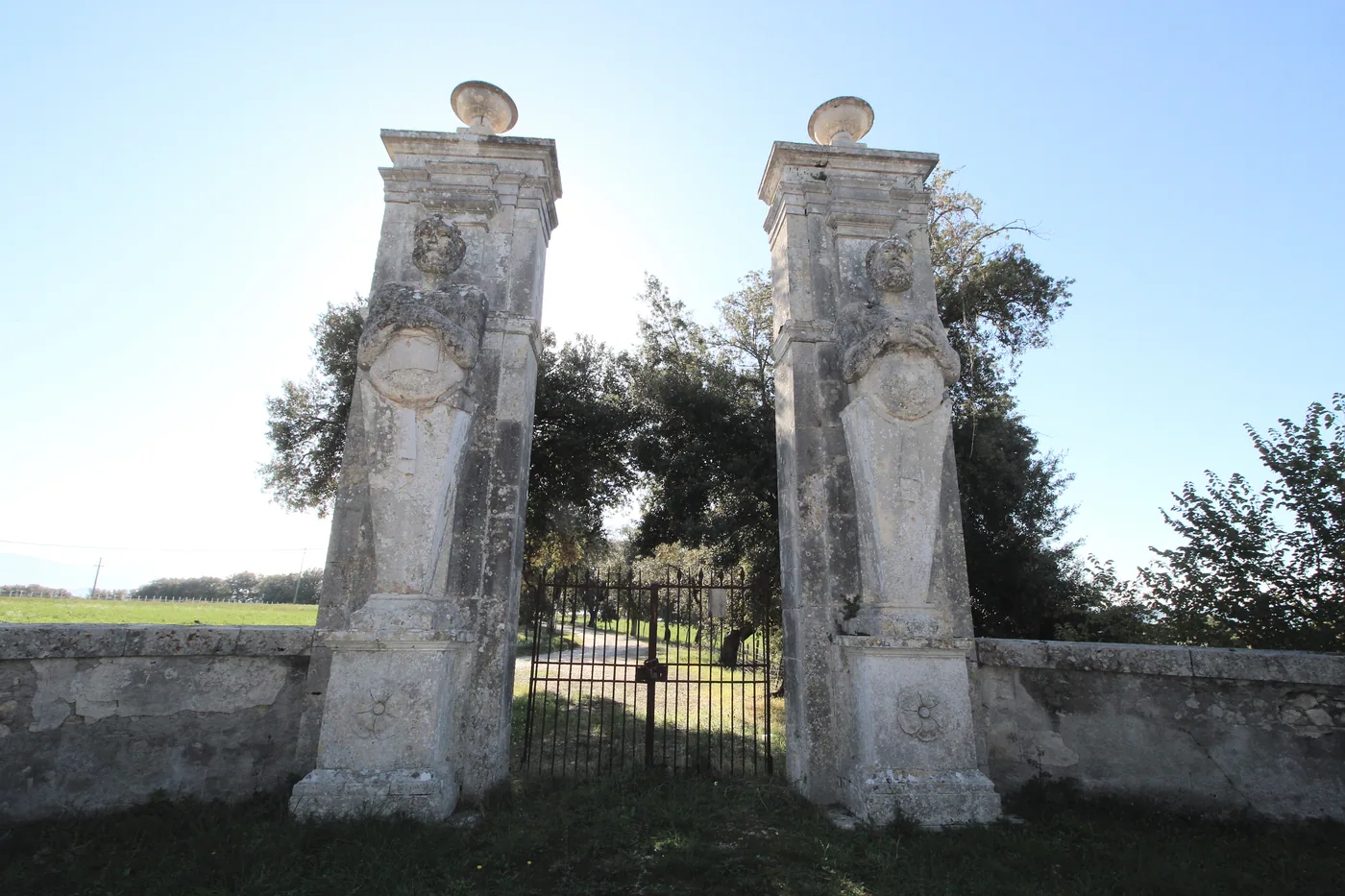
Carved symbols. A rose in stone can prompt you to look for the same family sign elsewhere. The palace guide gives you a starting point for that search.
The square. Return here after the visits. It remains a place where people meet, and some of the most useful clues to village life have neither an information board nor an entrance ticket.
Add everyday life to the story
If an opening is available, the traditional trades museum brings another perspective alongside the story of landowning families. The nativity display connects handwork, miniature landscapes and a local project developed over time.
The harvest and almond-sweet traditions offer another connection with the surrounding countryside. For a first day, choose one of these themes and follow it carefully rather than trying to learn the entire chronology at once.
If the Orsini connection interests you, reserve another part of the trip for Bomarzo, keeping the two villages and their separate visiting arrangements clear.